Improve CMO performance. For more flexibility and higher speed.

More control over their CDMOs.
More transparency, fewer risks and fast transfers.

You are working with one or more CDMOs and want to cut costs, reduce risks, and simultaneously secure your delivery capability? Ensure a controlled technology transfer, stable supply chains, and reliable external production.
With experienced CMO management, technology transfer, and supply chain expertise, we secure your project from planning to successful implementation.

We measure our project success

Monitoring and control of CDMOs; stabilizing supply chains;

We all have many years of operational experience and implement projects completely.

Project partner

SMEs and corporations
from Switzerland and Europe

Regions and Countries

Projects in Switzerland – EU – China – Japan – USA

“Hands-on management experience

MSAT & Manufacturing & Quality Supply Chain & Regulatory

Case studies with our customers

0% “Out of stock”

Project Management:

Doubled performance
critical supplier
non-robust CMOs
Client: Corporation; Switzerland

Flexibility at no extra cost

Project Management:

Variable batch sizes: No more inventory write-downs

1 batch per year
Client: Mid-sized pharmaceutical company ; DE

30% lower costs

Program Management:

technology transfer, production transfer
to outsourcing partners
Establishment of CMOs
Customer: Mid-sized pharma EU

0% “Out of stock”

Doubled performance
critical supplier
(international group; Switzerland)

Flexibility at no extra cost

Variable batch sizes: No inventory write-down
songs more
(Pharmaceutical SMEs ; Germany)

30% lower costs

 Technology transfer
Transfer, Production transfer
RFP for outsourcing partners
(Pharma SME EU)

What weak supply chains really cost

Inventory write-downs

Large batch sizes at „favorable“ costs lead to inventory write-downs because consumption can never be predicted that precisely.

Under pressure

Due to a weak supply chain, you can easily be put under pressure. Finding a way out of the supplier bottleneck costs money and nerves.

Reaction time

Fads also exist in the pharmaceutical industry, for example in product packaging. You gain market share with the fast supply chain. .

4 months faster

production building
(Brownfield / Greenfield project) DAX corporation

Production transfer

Emergency production transfer
Pharmaceutical SMEs ; Germany

€500 million

Our largest project, new factory construction for the Dax group

Where supply chains grow weak

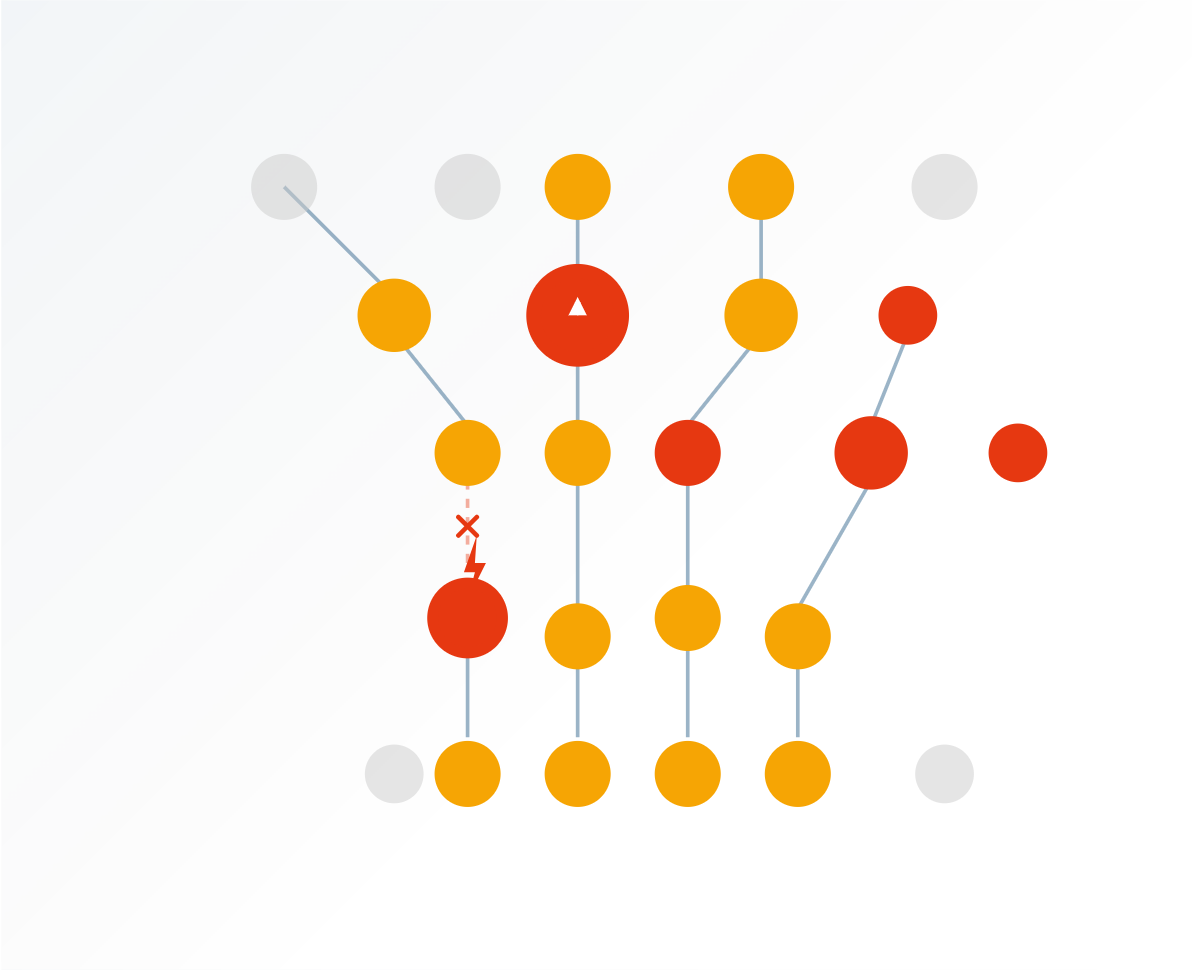
Mostly, there is not just one single problem; rather, performance erodes due to a multitude of inefficiencies:

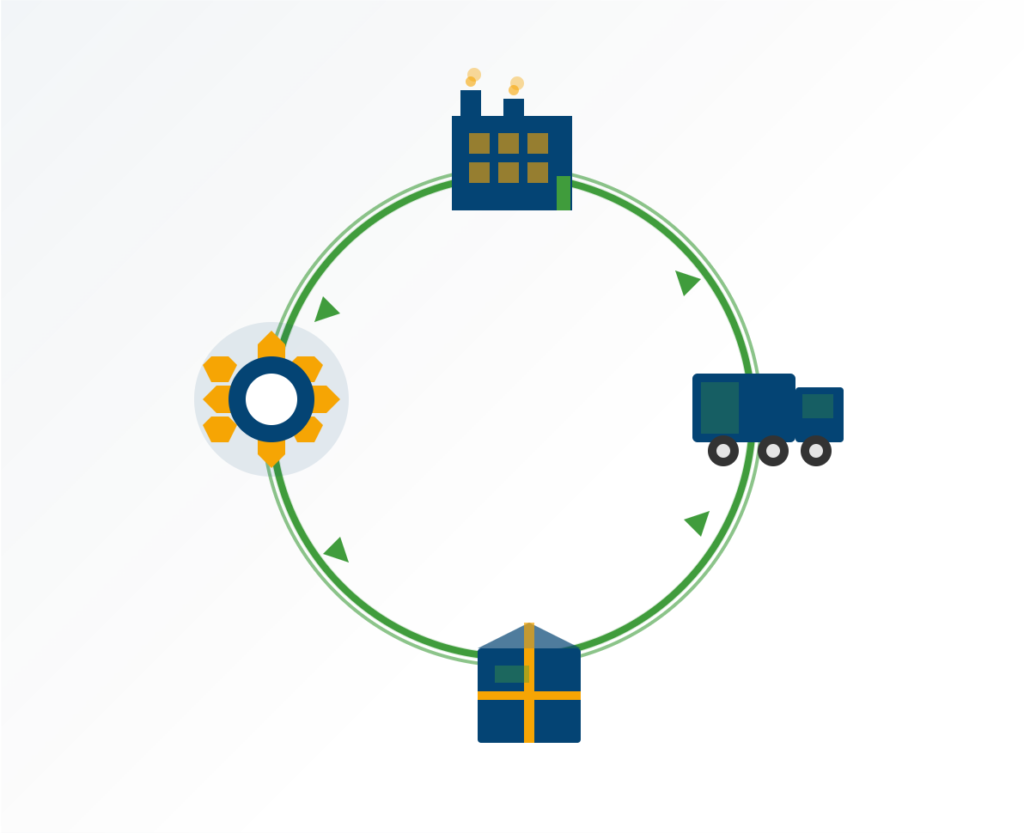
70% of value is created in the supply chain—only 30 % in in-house production. A strong supply chain pays off financially.
Fix these problems immediately:

graphic issues screenshot

6 levers to improve supply chains

In our experience, there is usually not just one single, specific problem. Most of the time, contract manufacturers' performance is eroded by multiple inefficiencies. We primarily address these in our projects and thereby improve performance.

Robust, cost-effective supply chain

China and India are important hubs. Depending on the product, however, Europe, Japan, Korea, or the USA can be cheaper.
We implement your project according to plan and are geographically experienced. You receive a robust, resilient, and cost-effective supply chain.

Transparent monitoring instead of KPIs

Our improvements are based on measured performance. For this purpose, we operate a transparent monitoring system.
Our process selects for the overall performance of a manufacturer or supply chain, not just KPIs.

Quality improvement

Quality improvement

Business processes at the CMO do not have the same goal as the business processes at the customer.

We are synchronizing these goals. Processes are becoming faster and more robust.

Competitive cost structure

Ideal batch sizes must be repeatedly readjusted to react to the market.

We assist with these changes. This ensures you always have a competitive cost structure.

Lower cost of goods"

New and existing manufacturing partners are analyzed to achieve the ideal mix of manufacturing capabilities.

We find the ideal outsourcing partner and manage the entire transfer.
You will receive lower COGS.

Continuous improvement

We analyze the manufacturer with the production process and establish process improvements.

Our monitoring data and KPIs identify the capable suppliers.

Discuss your CDMO project

Tell us about your challenges regarding CDMO performance, delivery reliability, or technology transfer

Georg or Hubertus will get back to you within one business day for a confidential initial assessment.

We measure our project success
We measure the performance

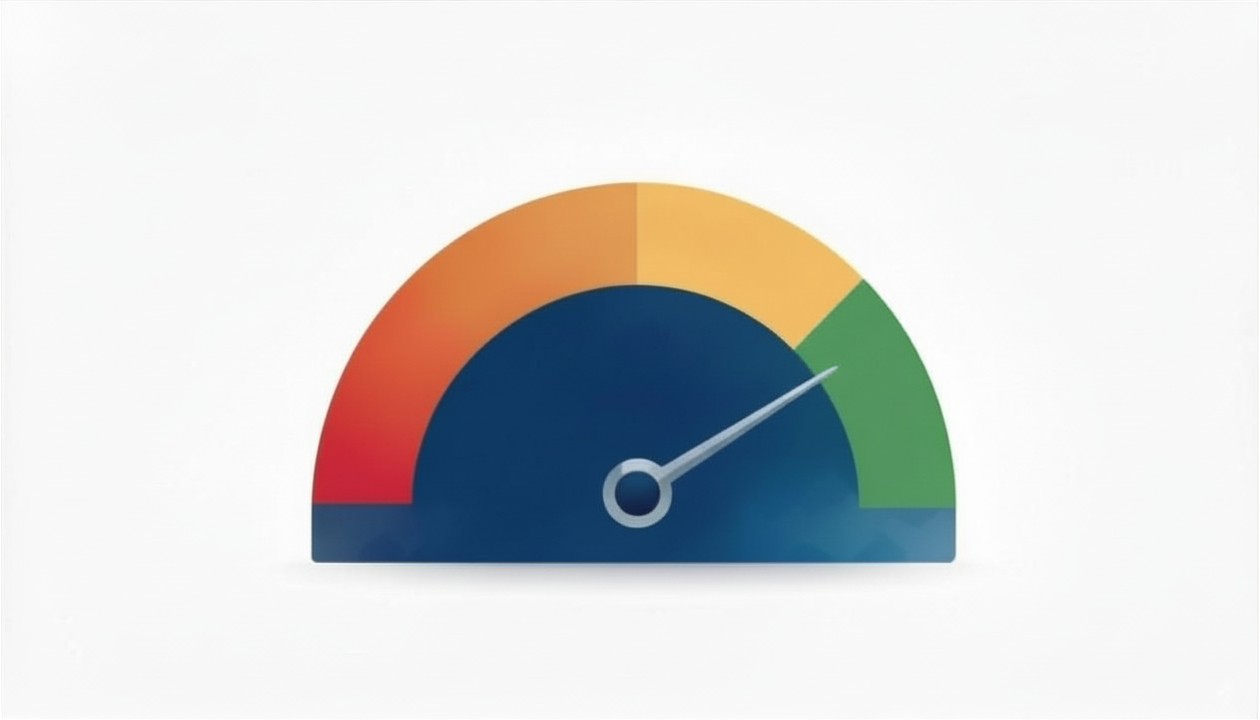
Supply chain performance is defined and continuously measured. We do not measure with a multitude of KPIs, but prefer meaningful metrics.

Our improvements are measurable, verifiable, and presentable.

gauge without numbers but with pointer

What's in it for you as a decision-maker?

The total manufacturing costs over the entire year include production costs, but also quality problems and their costs, stock-outs due to delayed deliveries, inventory write-downs, and rescheduling for CMO and sales.

A large portion of the costs are “hidden costs.” We track down these costs and make them visible. Then we systematically reduce these cost blocks through technical optimizations and adjustments to the order-delivery-invoicing process.

Here are some of the important benefits

sounds good

Have CMO performance evaluated

Tell us about your challenges with CMO performance

When our approach does not work

When our approach does not work

For the implementation of our project, there are prerequisites that must fit.

Escalated customer-supplier situation

Our methods are not suitable for resolving conflicts between customers and suppliers.

We can facilitate conflict resolution, but we do not conduct it ourselves.

Unstable environment

Various restructuring processes are already running in parallel. Then we cannot carry out a realistic measurement of success.

We always measure success in our implementations. Once against the set project plan and budget, but we also pursue internal goals: determining our lead times and implementation times, for example. If too many parallel projects are running, we can no longer measure and control the success of our projects.

Let's exchange some thoughts here.

Identify cost drivers

Costs are often hidden in technology transfers, validations, and supply chain management.

How much will my project really cost?

If you are asking this question, you probably already have unpleasant
Experienced surprises.

Our project costs are billed on a time and materials basis. During the initial consultation, we provide an initial estimate of time and costs. This budget framework holds true. The total costs are lower the faster we are allowed to be.

Cost transparency and cost control according to
Project times and sections

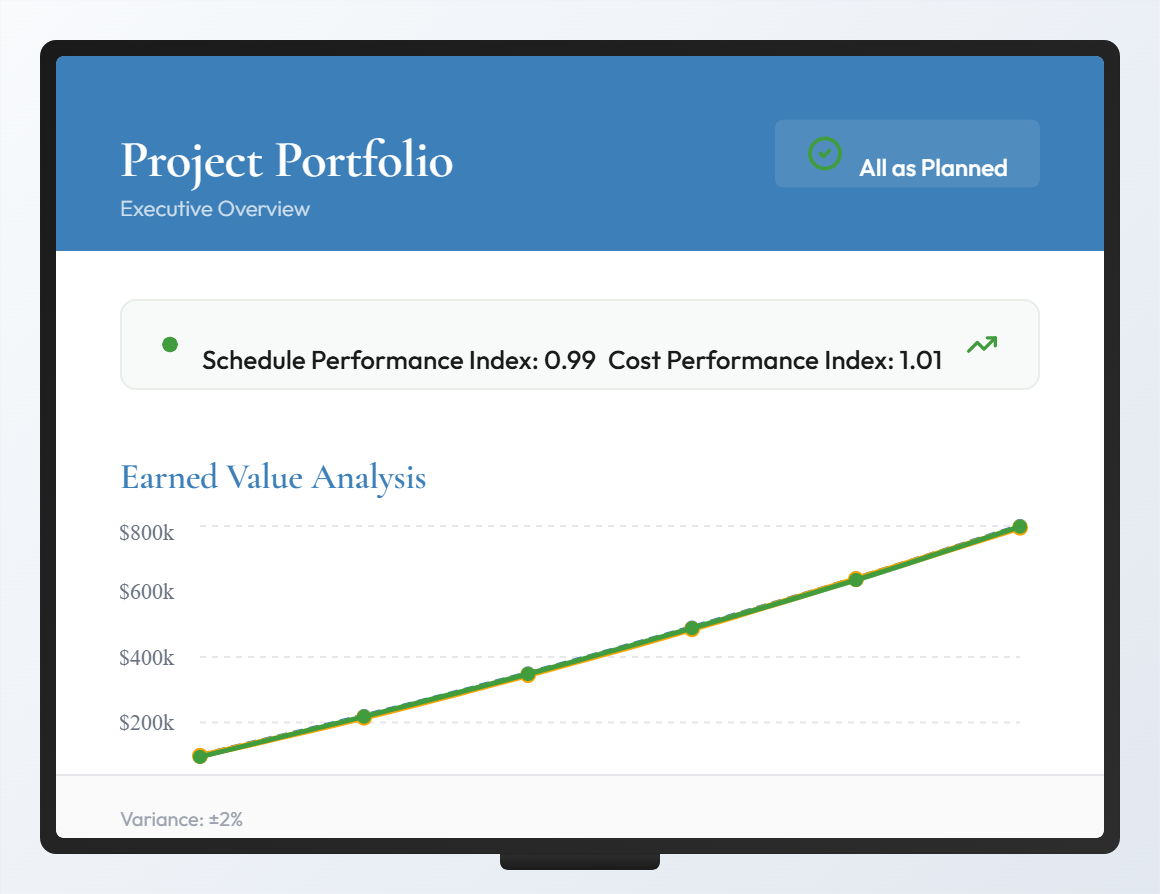
project dashboard

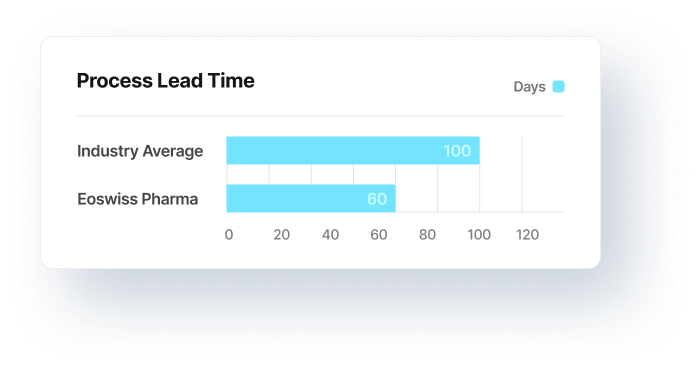
Eoswiss - Pharma compared to large consulting firms

Why do we make our projects better? We are experienced specialists in our core areas. Large consulting firms have neither this knowledge nor this experience.
We conduct active research ourselves - so we are always up to date.

Content 2
Content 1 1

Custom tools for our projects

We use these processes and tools the most

Scale-up and process development.

Custom software development for tailored solutions

Development of freeze-drying cycles. Scale-up & scale-down. Technology transfer of freeze-drying processes.

Scale-up and process development. Modeling of processes using mathematical and statistical models.

Optimization and Process Development
including Design of Experiments (DoE), optimization of plants during ongoing production, and process simulations

Process Analytical Technology (PAT)

Linking experimental data to models. Use of these models for process development and optimization.

Finding robust production parameters. This is where manufacturing profitability lies.

Quality management under GMP (pharma, medical technology, chemistry, industry) or ISO 9001, ISO 13485

We are working on optimizing warehouses, transit routes, and buffers for future expansions and modifications.

Our project management also includes change management. This is the only way to achieve sustainable implementation.

Without implementation, no project helps.

Technology transfer

Transfer of technologies, production facilities, expansion and conversion of plants

Analytic Transfer

Transfer of analytical methods under GMP including validations, verifications with all necessary documents

Professional process optimizations (in cooperation with Japanese specialists).

Custom tools for our projects

We use these processes and tools the most

Scale-up and process development.

Custom software development for tailored solutions

Development of freeze-drying cycles. Scale-up & scale-down. Technology transfer of freeze-drying processes.

Scale-up and process development. Modeling of processes using mathematical and statistical models.

Optimization and Process Development
including Design of Experiments (DoE), optimization of plants during ongoing production, and process simulations

Process Analytical Technology (PAT)

Linking experimental data to models. Use of these models for process development and optimization.

Finding robust production parameters. This is where manufacturing profitability lies.

Quality management under GMP (pharma, medical technology, chemistry, industry) or ISO 9001, ISO 13485

We are working on optimizing warehouses, transit routes, and buffers for future expansions and modifications.

Our project management also includes change management. This is the only way to achieve sustainable implementation.

Without implementation, no project helps.

Transfer of technologies, production facilities, expansion and conversion of plants

Transfer of analytical methods under GMP including validations, verifications with all necessary documents

Professional process optimizations (in cooperation with Japanese specialists).

Frequently Asked Questions (FAQ)

How can the performance of CMOs and CDMOs be improved?

The performance of CMOs and CDMOs is improved through clear governance, transparent metrics, and active management of external partners. Binding targets for deliverability, quality, costs, deviations, and response times are essential. Without structured control, delays, quality issues, and rising costs frequently occur.

Why are supply chains in the pharmaceutical industry becoming vulnerable?

Pharma supply chains become vulnerable when external partners are not adequately managed, risks are identified too late, and quality or delivery issues are handled only reactively. There is frequently a lack of reliable key performance indicators, clear responsibilities, and an active escalation structure. This results in inventory shortages, delivery delays, increased costs, and compliance risks.

How do you reduce costs at CMOs without compromising quality or deliverability?

Costs can be reduced for CMOs if the real cost drivers are made transparent and managed in a targeted manner. These include unnecessary inventory, special promotions, rework, inefficient processes, quality problems, and unstable delivery schedules. The goal is not pure price pressure, but a more stable and economical cooperation with the CMO.

When does a pharmaceutical company need external support in CMO management?

External support makes sense when CMOs repeatedly deliver late, costs increase, quality issues arise, or internal teams lack sufficient transparency regarding actual performance. Experienced experts help identify risks, structure escalations, and regain control over external partners.

How to improve third-party management in the pharmaceutical industry?

Third Party Management improves through clear responsibilities, regular performance measurement, structured communication, and consistent risk management. Especially important is the connection between quality, supply chain, purchasing, QA, and CMO management. In this way, external partners are not just managed, but actively guided.

How do you recognize when a CMO is getting out of control?

Warning signs are repeated delivery delays, rising costs, unclear root cause analyses, frequent quality problems, and a lack of transparency regarding the actual status. If decisions are made predominantly reactively and internal teams are running behind the CMO, control is already weakened.

Discuss your CMO project

Tell us about your challenges regarding CDMO performance, delivery reliability, or technology transfer