

Practical PAT implementation at reasonable costs

Pharma - Modernizing Manufacturing without Compliance Risks

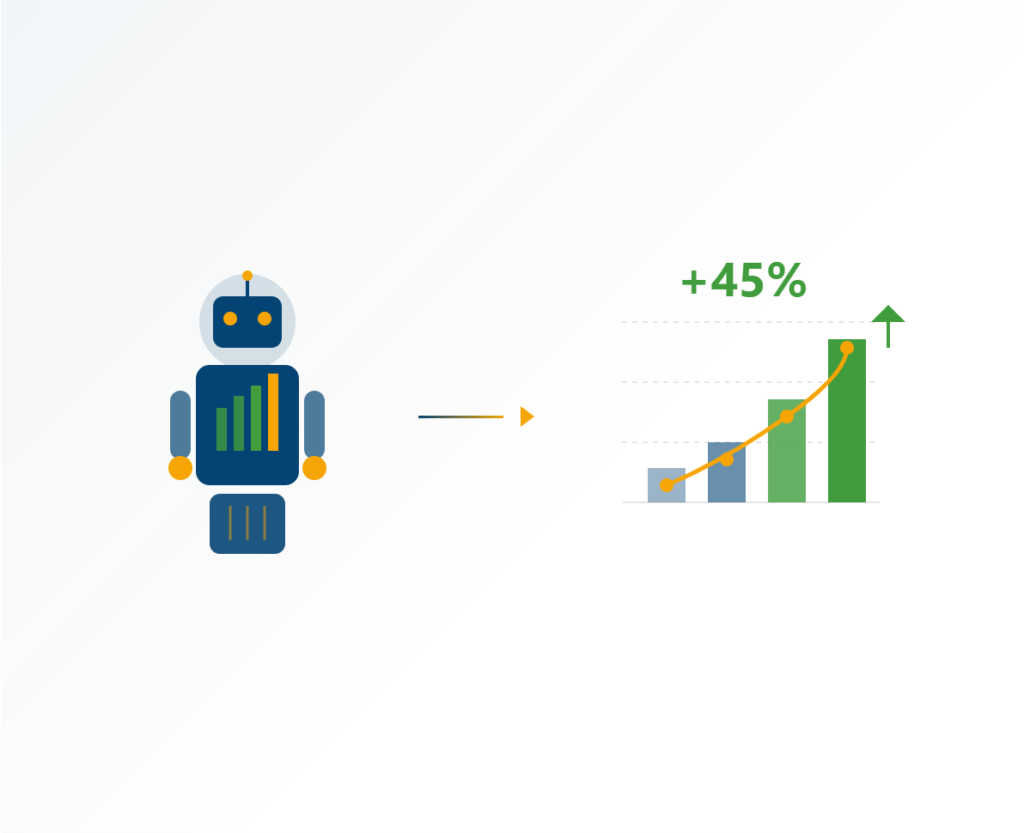
GMP-compliant PAT („Process Analytical Technology“) implementation and process monitoring. Robust data integration for production, quality, and procurement to support decision-making. 30% reduces turnaround times until approval. This allows you to efficiently avoid data waste at a reasonable cost.

Monitoring and control of CDMOs; stabilizing supply chains;

We all have many years of operational experience and implement projects completely.

Project partner

SMEs and corporations
from Switzerland and Europe

Regions and Countries

Projects in Switzerland – EU – China – Japan – USA

“Hands-on management experience

MSAT & Manufacturing & Quality Supply Chain & Regulatory

Project partner

SMEs and corporations
from Switzerland and Europe

Regions and Countries

Projects in Switzerland – EU – China – Japan – USA

“Hands-on management experience

MSAT & Manufacturing & Quality Supply Chain & Regulatory

Case studies with our customers

Avoided 2 million € in bad investments

Program Management:

Solid data modeling, scale up

Technically very demanding
Client: US corporation

-50% Costs Sterile Production PAT

Project Management:

50%: Lower transfer costs and a more stable production process through process design.

Low data
Client: French conglomerate

35% lower costs

Project Management: 

Networked IR camera system
together with pattern recognition

IT connection
Customer: Mid-sized pharma EU

What poor digitalization costs

Many of these costs remain unnoticed for a long time, but have a direct impact on costs and availability.
Problems only become apparent when projects are already delayed.

Delayed revenue

Missing data must be obtained before making a decision. This leads to delays and delayed revenue.

Nerves during the quarterly discussion

Inefficient production:
Small changes have to be laboriously tested instead of simulated. That costs time, money, and leads to discussions.

Unmet plan figures

Poor digitalization leads to long processing times until approval. As a result, less can be invoiced.

Delayed revenue

Missing data must be obtained before making a decision. This leads to delays and delayed revenue.

Stress during the quarterly discussion

Inefficient production:
Small changes have to be laboriously tested instead of simulated. That costs time, money, and leads to discussions.

Unmet plan figures

Poor digitalization leads to long processing times until approval. As a result, less can be invoiced.

Why data in GMP projects often doesn't
are usable

No IT or software question

Digitalization projects start out enthusiastically, but then often lose considerable momentum.

It is often these problems:

Digitalization does not need mega-projects, but rather robust, practical, step-by-step implementation. This reduces costs and lowers risk.

pharma robi

6 levers to improve digitalization

We believe that practical digitization (outside of the „buzzword realm“) makes the difference between profit and loss.

We develop our own software, including sensors. 15% of our revenue goes toward research and development.


Mathematical models

For rapid process decisions. With our tailor-made models, we optimize validation parameters and batch sizes for cost minimization and GMP safety.

Transparent process monitoring

Practically applied statistical process control (SPC) combined with systematic improvement makes the manufacturing process safer and faster.
DoE and Taguchi optimizations.

Tailored PAT

“Process Analytical Technology often means expensive software licenses and complicated IT vendors.

We build customized models, free of unnecessary baggage. With costs up to 30 % lower.

Experience

Adapt processes and workflows prior to the actual digitization. This ensures that your business processes are future-proof for the coming years.

They easily implement this with our experienced team.

Avoid media discontinuities

Media discontinuities practically attract costly rework. Delivery notes, quality certificates, batch certificates, etc. are often available in various formats.

Processes on just 1 channel reduce throughput time and costs

Maintain databases

Many databases are created, but no one feels responsible for data maintenance.

Unmaintained databases create organizational redundancies that cost time and money.

Databases need to be cleaned.

Check options?

Exchange of views

We measure our project successes

We measure the performance

For every project, we define goals and measure their achievement. We can do this because we implement our own proposals rather than merely advising. Our improvements are measurable, verifiable, and presentable. That is what sets us apart from large, pure consulting firms.

gauge without numbers but with pointer

What's in it for you as a decision-maker?

We have operational management experience and technical expertise. Our implementations are presentable and GMP compliant.

We specialize in implementations. We know that a technical solution must also be established as an administrative process, otherwise it won't work.

Here are some of the important benefits

Pharma is doing an improvement

Check options?

Exchange of views

When our approach does not work

When our approach does not work

For the implementation of our project, there are prerequisites that must fit.

Escalated customer-supplier situation

Our methods are not suitable for resolving conflicts between customers and suppliers.

We can facilitate conflict resolution, but we do not conduct it ourselves.

Unstable environment

Various restructuring processes are already running in parallel. Then we cannot carry out a realistic measurement of success.

We always measure success in our implementations. Once against the set project plan and budget, but we also pursue internal goals: for example, the implementation and introduction of a new technique during project execution. If too many parallel projects are running, we can no longer measure and control the success of our projects.

Let's exchange some thoughts here.

Check options?

Confidential exchange

How much will my project really cost?

If you are asking this question, you probably already have unpleasant
Experienced surprises.

Our project costs are billed on a time and materials basis. During the initial consultation, we provide an initial estimate of time and costs. This budget framework holds true. The total costs are lower the faster we are allowed to be.

Cost transparency and cost control according to
Project times and sections

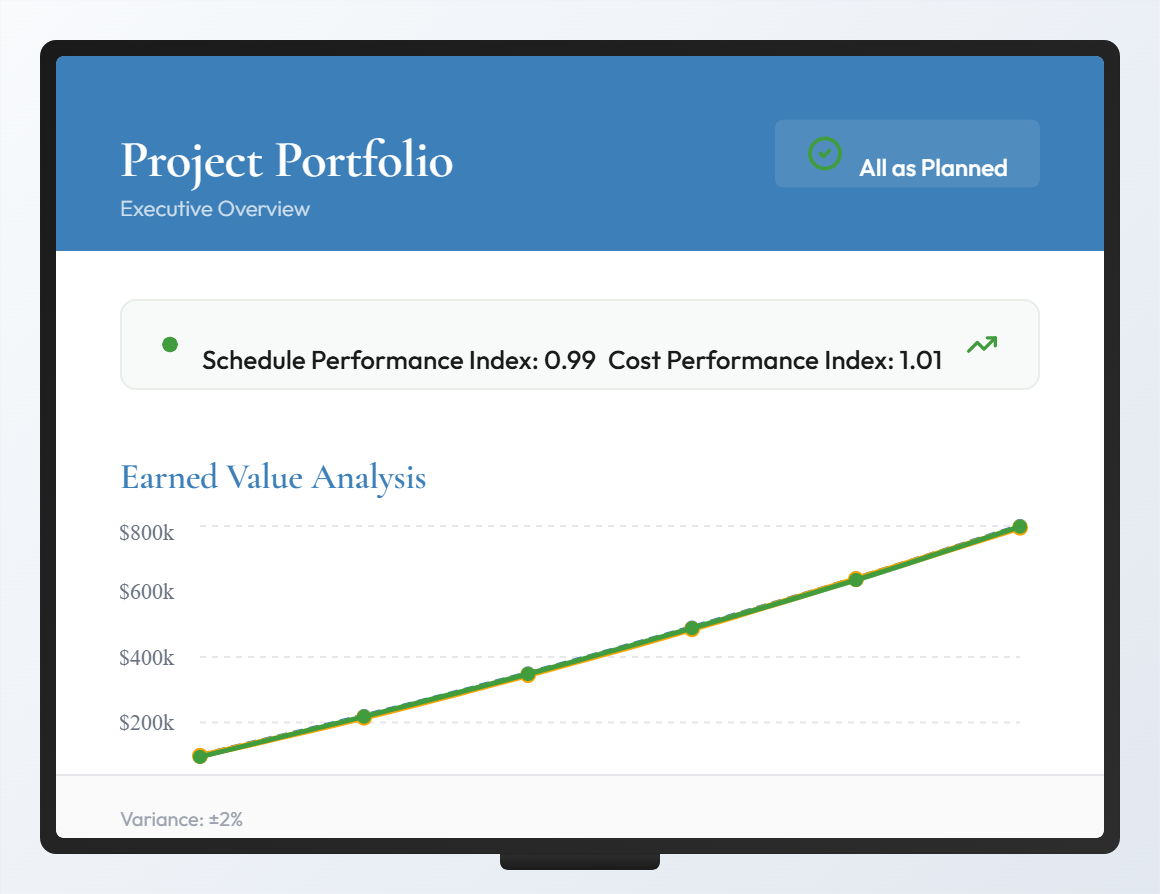
project dashboard

Eoswiss Pharma compared to large consulting firms

Why do we make our projects better? We are experienced specialists in our core areas. Large consulting firms have neither this knowledge nor this experience.
We conduct active research ourselves - so we are always up to date.

Content 2
Content 1 1

Custom tools for our projects

We use these processes and tools the most

Scale-up and process development.

Custom software development for tailored solutions

Development of freeze-drying cycles. Scale-up & scale-down. Technology transfer of freeze-drying processes.

Scale-up and process development. Modeling of processes using mathematical and statistical models.

Optimization and Process Development
including Design of Experiments (DoE), optimization of plants during ongoing production, and process simulations

Process Analytical Technology (PAT)

Linking experimental data to models. Use of these models for process development and optimization.

Finding robust production parameters. This is where manufacturing profitability lies.

Quality management under GMP (pharma, medical technology, chemistry, industry) or ISO 9001, ISO 13485

We are working on optimizing warehouses, transit routes, and buffers for future expansions and modifications.

Our project management also includes change management. This is the only way to achieve sustainable implementation.

Without implementation, no project helps.

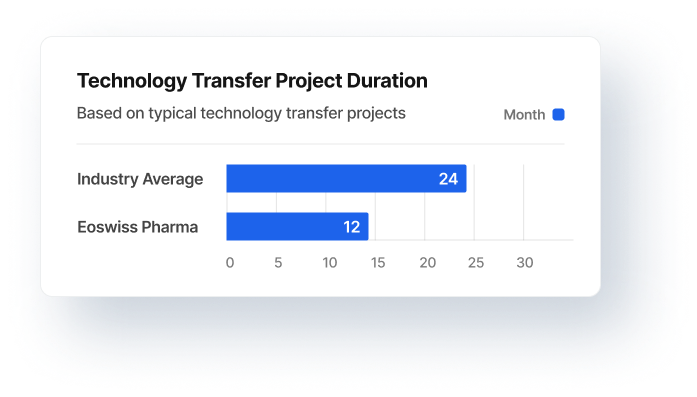
Technology transfer

Transfer of technologies, production facilities, expansion and conversion of plants

Analytic Transfer

Transfer of analytical methods under GMP including validations, verifications with all necessary documents

Professional process optimizations (in cooperation with Japanese specialists).

Custom tools for our projects

We use these processes and tools the most

Scale-up and process development.

Custom software development for tailored solutions

Development of freeze-drying cycles. Scale-up & scale-down. Technology transfer of freeze-drying processes.

Scale-up and process development. Modeling of processes using mathematical and statistical models.

Optimization and Process Development
including Design of Experiments (DoE), optimization of plants during ongoing production, and process simulations

Process Analytical Technology (PAT)

Linking experimental data to models. Use of these models for process development and optimization.

Finding robust production parameters. This is where manufacturing profitability lies.

Quality management under GMP (pharma, medical technology, chemistry, industry) or ISO 9001, ISO 13485

We are working on optimizing warehouses, transit routes, and buffers for future expansions and modifications.

Our project management also includes change management. This is the only way to achieve sustainable implementation.

Without implementation, no project helps.

Transfer of technologies, production facilities, expansion and conversion of plants

Transfer of analytical methods under GMP including validations, verifications with all necessary documents

Professional process optimizations (in cooperation with Japanese specialists).

Frequently Asked Questions (FAQ)

Why do digitalization projects in pharmaceutical manufacturing fail?

Digitalization projects in pharmaceutical manufacturing frequently fail because they are treated as IT projects and are not aligned with the GMP reality of production. Typical problems include unclear process objectives, a lack of involvement from QA, MSAT, and manufacturing, as well as data that cannot be used in daily operations. As a result, complexity and compliance risks increase without a measurable improvement in performance.

How can pharmaceutical manufacturing be modernized without increasing compliance risks?

Pharmaceutical manufacturing can be safely modernized if processes are first understood, simplified, and subsequently supported digitally. Important factors are clear GMP requirements, data integrity, early QA involvement, and practical implementation in production. This is how digitalization is created that improves performance while remaining audit-ready.

What role do data and PAT play in pharmaceutical manufacturing?

Data and PAT help to better understand critical process parameters, detect deviations earlier, and place decisions on a reliable foundation. However, the crucial point is that data is not merely collected, but used for concrete process improvements. Only then do digitalization and PAT truly improve efficiency, quality, and GMP compliance.

How do you improve performance in pharmaceutical manufacturing?

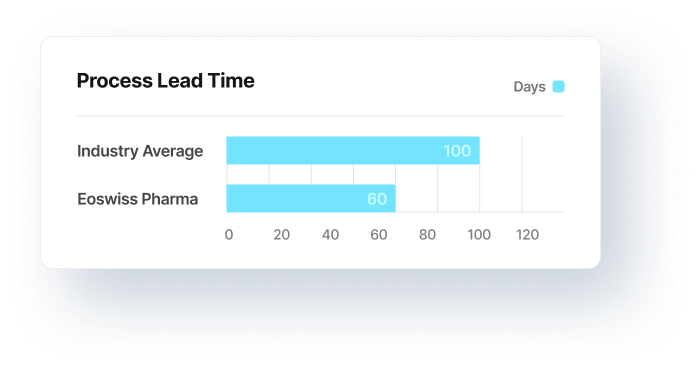
Performance in pharmaceutical manufacturing improves through transparent process data, clear key performance indicators, and targeted optimization of critical bottlenecks. This includes more stable operations, fewer manual steps, better process control, and closer alignment between manufacturing, QA, and MSAT. The benefits must be visible in measurable results such as lead time, deviations, release times, and costs.

When should you use external experts for pharma digitalization?

External experts are useful when digitization projects do not deliver the expected results, complexity increases, or compliance concerns arise. Especially in the case of overburdened internal teams, experienced GMP and production experts can help set the right focus, reduce risks, and accelerate implementation.

What distinguishes usable digitization from pure IT implementation?

Check options?

Confidential conversation